Mbah Gombal: Integrating Macabre Typography into Professional Design Workflows
In the realm of graphic design and digital branding, typography is rarely just about legibility. It is a primary vehicle for tone, atmosphere, and emotional resonance. For designers, marketers, and content creators working within niche aesthetics—particularly those leaning toward the gothic, horror, or vintage macabre—selecting the right typeface is a critical decision that impacts the entire visual hierarchy. Mbah Gombal emerges in this space not merely as a novelty font, but as a specialized tool for conveying haunting charm and distinctive character. Understanding how to integrate this display font into a broader creative process requires more than just downloading a file; it demands a strategic approach to compatibility, hierarchy, and audience engagement.
This article explores the practical application of Mbah Gombal within professional workflows. We will examine where it fits in the design lifecycle, how it interacts with other design assets, and the specific considerations necessary to maintain quality control and brand consistency when using such a stylized typeface.
Defining the Aesthetic Role of Mbah Gombal
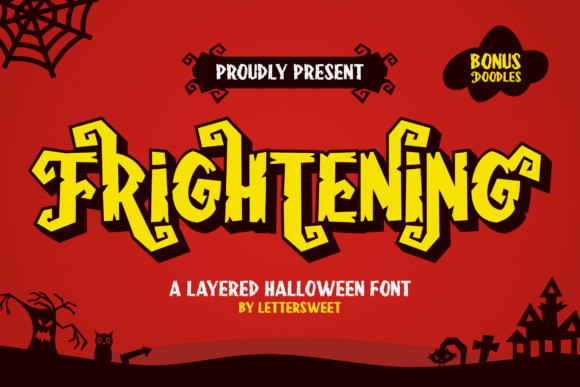
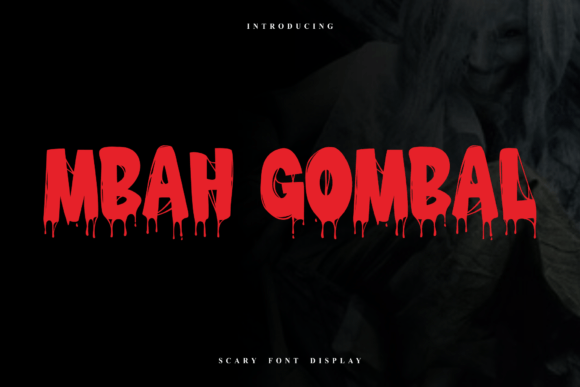
Before implementing any asset, one must define its function. Mbah Gombal is a display font, which means it is designed for large sizes, headlines, and short bursts of text rather than body copy. Its structure features irregular strokes, distressed textures, and a hand-drawn quality that evokes a sense of age and mystery. This "spooky twist" is not accidental; it is engineered to trigger specific psychological responses associated with Halloween, horror narratives, or alternative subcultures.
For professionals, recognizing this limitation is the first step in effective usage. Attempting to use Mbah Gombal for long-form content, such as blog posts or legal disclaimers, will result in poor readability and user fatigue. Instead, its role is strictly decorative and atmospheric. It serves as the visual anchor that sets the mood before the viewer even processes the semantic meaning of the words. In a workflow context, this means Mbah Gombal should be selected during the conceptual phase, alongside color palettes and imagery, rather than being an afterthought applied at the end of a project.
Pre-Production: Planning and Compatibility Checks
Effective integration begins with preparation. When planning a project that requires a macabre aesthetic, such as a Halloween marketing campaign, a horror podcast cover, or a themed event invitation, the choice of Mbah Gombal influences several downstream decisions.
Platform Compatibility
One of the first technical checks involves ensuring the font renders correctly across intended platforms. If the final output is digital—such as social media graphics, web banners, or email headers—you must verify that the font can be embedded or converted appropriately. For web use, this often means converting the font file into WOFF or WOFF2 formats and testing load times. For static images, high-resolution rendering is essential to preserve the intricate details of the font’s distressed edges.
Pairing Strategy
A common mistake in amateur design is pairing two dominant display fonts. Because Mbah Gombal has a strong personality, it requires a neutral counterpart. During the planning stage, select a clean, sans-serif or a simple serif font for body text and secondary information. This contrast ensures that the macabre appeal of Mbah Gombal stands out without overwhelming the viewer. The workflow here involves creating a style guide that explicitly defines these pairings, ensuring consistency across all deliverables.
Execution: Implementing Mbah Gombal in Design Projects
Once the planning phase is complete, the execution phase focuses on layout and hierarchy. Here are practical methods for integrating Mbah Gombal into various types of projects.
Halloween and Seasonal Marketing Campaigns
For marketers and small business owners, seasonal campaigns offer a prime opportunity to leverage thematic fonts. When designing promotional materials for October events, Mbah Gombal can be used for:
- Headlines and Hooks: Use the font for the main title of flyers, social media posts, or email subject lines. Keep the text short to maximize impact.
- Call-to-Action Buttons: While caution is advised regarding readability, using Mbah Gombal for a stylized "Join the Fear" button can increase click-through rates by aligning with the theme.
- Logo Variations: Temporary logo lockups for seasonal promotions can feature Mbah Gombal to signal a limited-time offer without altering the core brand identity.
Entertainment and Media Assets
Content creators in the horror genre, including podcasters, YouTubers, and indie game developers, rely heavily on atmospheric branding. Mbah Gombal fits seamlessly into thumbnail design, title cards, and merchandise.
When creating video thumbnails, the font’s unique style helps distinguish the content in a crowded feed. However, usability tests are crucial. Ensure that the text remains legible against complex backgrounds by adding drop shadows, outlines, or placing the text over solid color blocks. This step is part of the quality control process, ensuring that the aesthetic does not compromise functionality.
Print and Physical Merchandise
For entrepreneurs selling physical goods, such as T-shirts, posters, or party invitations, Mbah Gombal offers a tactile appeal. The distressed nature of the font mimics screen-printing imperfections, making it ideal for vintage-style apparel. When preparing files for print, vectorize the text if possible, or use high-DPI raster images to prevent pixelation. This attention to detail ensures that the final product meets professional standards and reduces the risk of costly reprints.
Workflow Integration and Efficiency
To maintain efficiency, incorporate Mbah Gombal into your standard design templates. Create master files in software like Adobe Photoshop, Illustrator, or Canva that already have the font installed and paired with appropriate secondary typefaces. This reduces setup time for future projects and ensures brand consistency.
Organization and Asset Management
Keep the font files organized in a dedicated folder within your digital asset management system. Include license information and usage guidelines in the same directory. This practice is vital for teams, allowing multiple designers to access the resource without violating licensing agreements or deviating from established style guides.
Collaboration and Feedback
When working with clients or team members, clearly communicate the intent behind using Mbah Gombal. Explain that its purpose is to evoke a specific mood, not just to look "scary." Providing context helps stakeholders understand the strategic value of the design choice, reducing unnecessary revision cycles. Use mockups to demonstrate how the font interacts with other elements, such as photography or illustration, to provide a holistic view of the final outcome.
Quality Control and Long-Term Use
While Mbah Gombal is powerful, its overuse can lead to visual fatigue. Monitor its frequency in your portfolio or brand communications. Reserve it for high-impact moments rather than everyday communications. This scarcity maintains its effectiveness and prevents the aesthetic from becoming stale.
Additionally, stay updated on any font updates or new weights released by the creator. Sometimes, additional styles are added that may offer better versatility for different mediums. Regularly reviewing your typographic toolkit ensures that you are always using the most effective resources available.
Conclusion
Integrating Mbah Gombal into your design workflow is less about applying a spooky filter and more about strategic atmospheric construction. By understanding its role as a display font, planning for compatibility and pairing, and maintaining rigorous quality control, professionals can harness its macabre appeal to create compelling, memorable visuals. Whether for a seasonal marketing push, a horror media brand, or a themed event, this font serves as a potent tool when used with intention and precision. The key lies in balancing its distinctive character with clear communication, ensuring that the design not only looks haunting but also functions effectively within its intended context.