Super Savage: Mastering the Bold Comic Aesthetic for Sci-Fi and Fun Designs
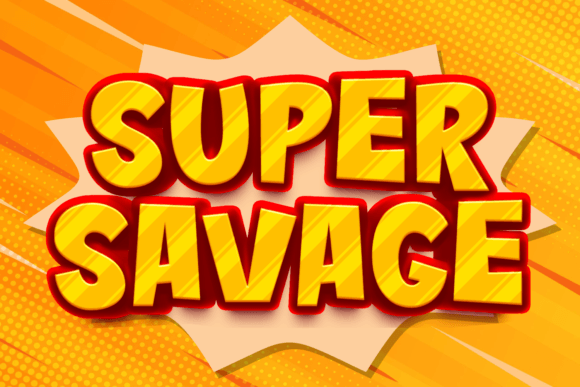
When you are scanning through font libraries looking for something that breaks the mold, Super Savage often catches the eye. It is not just another bold typeface; it is a statement piece. This comic-style font carries a weight and personality that makes it exceptionally well-suited for science fiction themes, cartoon illustrations, and fun space-related designs. However, many designers, marketers, and small business owners make critical errors when integrating such a distinctive typeface into their projects. The result is often cluttered visuals or mixed messages that confuse the audience rather than engaging them.
Understanding how to wield Super Savage effectively requires more than just downloading the file and typing out a headline. It demands an appreciation for context, hierarchy, and readability. If you are a beginner exploring typography or a seasoned professional looking to refresh a brand identity, avoiding common pitfalls with this font can save you time, money, and reputational capital. Let us explore the nuances of using this powerful tool correctly.
The Misconception of Versatility
One of the most frequent mistakes creators make is assuming that because a font is bold and eye-catching, it can be used everywhere. Super Savage is a display font. This means it is designed to be seen at large sizes, typically in headlines, logos, or short bursts of text. A common error is using it for body copy, paragraphs, or detailed instructions. When you stretch a comic-style font across long blocks of text, the unique shapes of the letters begin to compete with each other. The reader’s eye gets tired quickly, leading to poor retention of your message.
For example, imagine a flyer for a local space-themed birthday party. Using Super Savage for the main title "Galactic Blast-Off" creates excitement and sets the tone perfectly. However, if you use the same font for the address, time, and RSVP details, the information becomes difficult to scan. The better approach is to pair Super Savage with a clean, neutral sans-serif font for the smaller details. This contrast ensures the headline pops while the essential information remains legible and professional.
Ignoring Theme Consistency
While Super Savage is labeled as suitable for science fiction and cartoons, it is not a universal fix for all playful designs. A subtle but impactful mistake is mismatching the font’s energy with the wrong visual elements. This font has a rugged, hand-drawn quality that suggests action and adventure. If you place it against a delicate, pastel-colored background with intricate floral patterns, the design feels disjointed. The aggression of the letterforms clashes with the softness of the imagery.
To avoid this, consider the semantic terms associated with the font: bold, dynamic, extraterrestrial, and energetic. Your color palette and supporting graphics should mirror these traits. Think about neon greens, deep purples, starry backgrounds, or metallic textures. If you are designing a logo for a tech startup that wants to appear friendly yet innovative, Super Savage can work, but only if the accompanying iconography is equally bold and simplified. Do not try to force this font into a corporate, minimalist aesthetic where it does not belong. It will look out of place and amateurish.
Overlooking Licensing and Usage Rights
Before you download any creative asset, you must understand the legal framework surrounding it. Many hobbyists and freelancers overlook the specific licensing terms of fonts like Super Savage. Using a personal-use license for a client project or a commercial product is a serious violation that can lead to cease-and-desist letters, fines, and damaged professional relationships. It is not worth the risk.
Always check the license agreement before purchasing or downloading. Look for clear distinctions between personal, commercial, and enterprise usage. If you are a small business owner creating merchandise to sell, ensure your license covers physical goods. If you are a web designer embedding the font in a website, verify that webfont usage is permitted. Taking five minutes to read the fine print can prevent costly legal headaches later. If you are unsure, contact the foundry or purchase a broader license. It is an investment in your business’s integrity.
Neglecting Hierarchy and Spacing
Typography is not just about choosing a font; it is about managing space. Because Super Savage has thick strokes and irregular edges, it requires more breathing room than standard fonts. A common oversight is tight kerning or leading. When letters are too close together, the unique contours of the comic style merge into an unreadable blob. This is especially problematic in science fiction designs where clarity is key to conveying futuristic concepts.
Practical advice for avoiding this issue involves generous spacing. Increase the line height when using the font in multi-line headlines. Allow ample padding around the text so it does not feel cramped against images or borders. Test your design at different sizes. What looks balanced on a large monitor might appear cluttered on a mobile screen. Adjust the tracking slightly to open up the word shapes, ensuring each letter retains its individual character while contributing to the whole.
Choosing the Wrong File Format
Finally, many users struggle with technical implementation because they do not select the right file format for their medium. Using a rasterized image of Super Savage for a large banner print will result in pixelation and blurriness. Conversely, using a complex vector file for a simple social media post might be unnecessary overkill if not optimized properly.
- For Print: Always use high-resolution vectors (SVG, EPS) or high-DPI PNGs to maintain crisp edges.
- For Web: Use WOFF or WOFF2 formats if embedding via CSS, ensuring fast load times and scalability.
- For Social Media: Export as PNG with a transparent background to allow flexibility in posting over various backgrounds.
By matching the file format to the output channel, you preserve the quality and impact of the font. This attention to detail signals professionalism to your audience and peers.
Making the Right Decision
Integrating Super Savage into your design toolkit can elevate your projects, provided you respect its strengths and limitations. It is a powerful ally for creating memorable sci-fi headers, engaging cartoon captions, and dynamic space-themed visuals. Avoid the traps of overuse, thematic inconsistency, licensing negligence, poor spacing, and incorrect formatting. Instead, focus on pairing it with complementary elements, respecting legal boundaries, and optimizing for your specific medium.
Take a moment to evaluate your current project. Does it need the bold punch of a comic font? Is the context right for a rugged, adventurous tone? If the answer is yes, proceed with confidence, keeping these practical warnings in mind. Your designs will communicate more clearly, look more polished, and resonate more deeply with your intended audience. Typography is a subtle art, but with the right knowledge, it becomes one of your most effective communication tools.