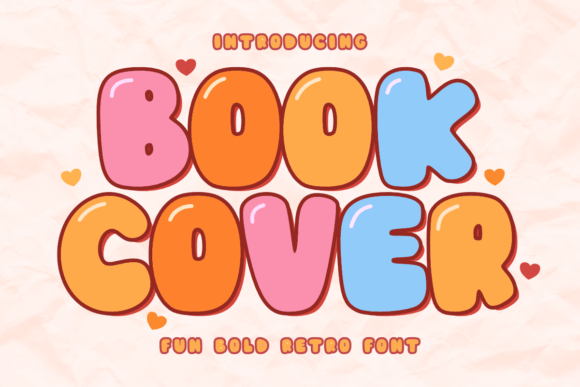
Book Cover: A Bold Font for Kids
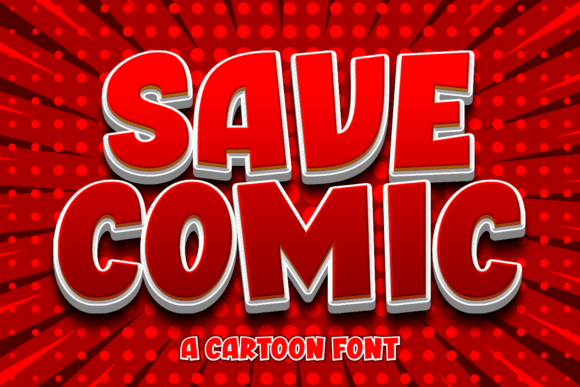
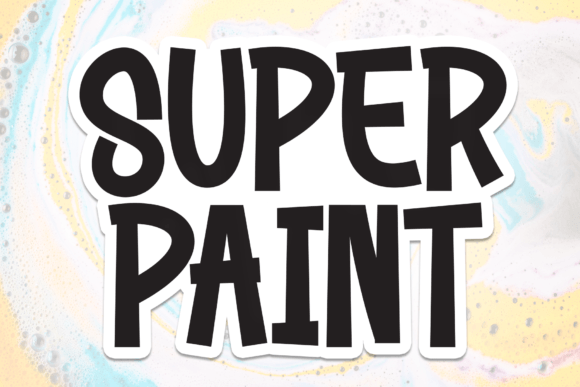
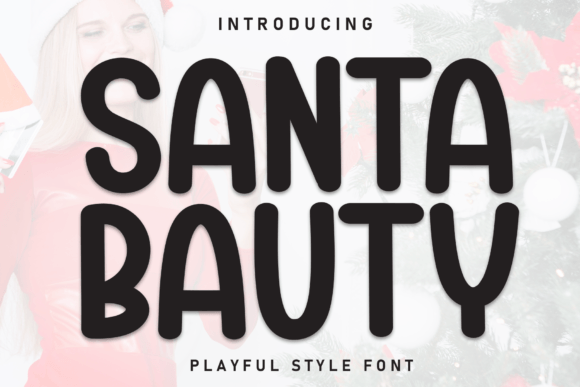
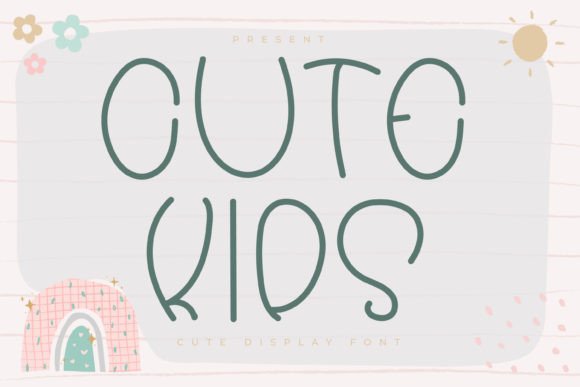
Choosing the right typeface can make or break a design, especially when your goal is to capture attention quickly and convey a sense of joy. Book Cover is a bold and fun display font that draws direct inspiration from the vibrant typography found on children’s literature. It captures that nostalgic, playful energy we all remember from our favorite childhood stories, making it an ideal choice for designers who want their work to feel approachable, energetic, and distinctly youthful.
This font is not just about aesthetics; it serves a functional purpose in visual communication. Its thick strokes and rounded edges ensure high readability even at smaller sizes, while its quirky character shapes add personality that standard sans-serif fonts often lack. Whether you are designing a literal book cover or branching out into other creative mediums, this typeface offers a versatile foundation for projects that need to stand out.
Why Designers Love This Playful Typeface
The primary appeal of Book Cover lies in its ability to evoke emotion. In marketing and branding, connecting with an audience on an emotional level is crucial. This font naturally signals friendliness, creativity, and safety. For parents shopping for children’s products, seeing this style of typography can subconsciously signal that a product is age-appropriate and fun. For educators, it suggests learning is an engaging activity rather than a chore.
From a technical standpoint, the font is designed to be robust. Display fonts can sometimes suffer from poor legibility if they are too decorative, but this particular style balances whimsy with clarity. The letters are spaced well, preventing them from blending together, which is essential when used for headlines or short phrases. It works exceptionally well in uppercase, giving titles a strong, commanding presence without appearing aggressive.
Versatile Uses Beyond Children’s Books
While the name suggests a specific application, the utility of Book Cover extends far beyond the publishing industry. Its bold nature makes it a fantastic candidate for various physical and digital products. Here are some practical ways creators are using this font today:
- Apparel and Fashion: The thick lines of the font translate beautifully onto fabric. It is perfect for screen printing on t-shirts, hoodies, and baby onesies. The design holds up well even when printed on textured materials.
- Home Decor and DIY: If you are into crafting, this font is ideal for creating custom wall art, stickers, and decals. It looks great on tote bags and tumblers, adding a personalized touch to everyday items. Sublimation printers also handle this font well, allowing for vibrant, full-color designs on mugs and plates.
- Branding and Marketing: Small businesses targeting families or younger demographics can use this font in their logos, advertising banners, and social media graphics. It helps establish a brand voice that is cheerful and trustworthy.
- Paper Goods: Greeting cards, invitations, and educational worksheets benefit from the friendly vibe of this typeface. It makes handwritten-style quotes look polished yet personal.
Practical Tips for Using Book Cover Effectively
To get the most out of this font, it is important to understand how to pair it with other design elements. Because Book Cover is a display font, it is best used for headings, titles, and short statements. Using it for long paragraphs of body text can strain the reader’s eyes. Instead, pair it with a clean, simple sans-serif or a highly readable serif font for the main content. This contrast creates a visual hierarchy that guides the viewer’s eye naturally through your design.
Color plays a significant role in maximizing the impact of this typeface. Since the font is inspired by kids' books, it thrives in bright, saturated colors. Think primary reds, blues, yellows, and greens. However, do not be afraid to experiment with pastels for a softer, more modern look, or dark, bold colors for a striking contrast against light backgrounds. When using the font for sublimation or printing on dark apparel, consider adding a slight outline or shadow effect to ensure the letters remain distinct.
Considerations for Beginners and Professionals
If you are new to typography, start by experimenting with letter spacing. Display fonts often look better with slightly tighter tracking (the space between characters) to create a cohesive block of text, but this depends on the specific word. Always preview your design at the actual size it will be printed or displayed. A design that looks balanced on a large computer monitor might appear cluttered on a small sticker or a mobile phone screen.
For professionals working on client projects, always check the licensing agreement. While many creative fonts allow for commercial use in physical products like t-shirts and mugs, digital usage or logo registration may have different requirements. Ensuring you have the correct license protects both you and your client from legal issues down the line.
Enhancing Creativity with the Right Tools
Using Book Cover can spark new ideas for projects you might not have considered before. For example, knitters and crafters can use the font to create patterns for embroidered patches or iron-on transfers. Educators can use it to create engaging classroom posters that make rules and schedules feel less rigid. Bloggers can use it for featured images to increase click-through rates, as the bold style stands out in crowded social media feeds.
The key is to let the personality of the font guide your design choices. If the font feels playful, your accompanying graphics should match that energy. Use hand-drawn illustrations, doodles, or bright geometric shapes to complement the typography. Avoid overly corporate or sterile imagery, as it will clash with the warm, inviting nature of the typeface.
In conclusion, Book Cover is more than just a font; it is a design tool that brings energy and nostalgia to your creative work. Whether you are designing a new children’s book, launching a line of custom apparel, or refreshing your small business branding, this typeface offers the boldness and charm needed to connect with your audience. By understanding its strengths and applying it thoughtfully, you can create designs that are not only visually appealing but also emotionally resonant.