Super Paint: The Bold Display Font That Commands Attention in Modern Design
In the crowded landscape of visual communication, typography is not merely about legibility; it is about personality. Among the myriad of typefaces available to designers today, Super Paint emerges as a distinctive voice. It is a bold and playful display font that stands out through its thick, strong letterforms and unapologetic character. For creators looking to make an immediate impact, understanding the nuances of this typeface can transform a mundane layout into a memorable visual experience.
This article explores the essence of Super Paint, examining why its unique aesthetic makes it a powerful tool for posters, headlines, and logos. We will delve into its practical applications, discuss how it fits into contemporary design trends, and provide guidance on using it effectively to capture audience attention.
Understanding the Aesthetic of Super Paint
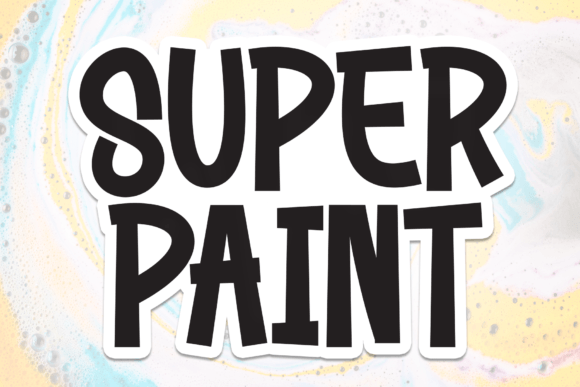
At its core, Super Paint is defined by its weight and attitude. Unlike serif fonts that convey tradition or thin sans-serifs that suggest minimalism, Super Paint leans into maximalism. Its letters are constructed with substantial stroke widths, creating a sense of solidity and presence. This "thick and strong" quality is not accidental; it is engineered to dominate space.
The font’s style is best described as fun and creative. It avoids the rigid geometry of industrial typefaces, opting instead for slightly irregular contours that mimic the organic feel of hand-painted signage. This human touch adds warmth and approachability, making the font feel less like a corporate mandate and more like an invitation to engage. When you see Super Paint, you do not just read the text; you feel the energy behind it.
Why Boldness Matters in Visual Hierarchy
In design, hierarchy guides the viewer’s eye. The most important information must be the most visible. Super Paint excels in this role because its heavy weight creates high contrast against backgrounds. Whether placed over a busy photograph or a solid color block, the text remains legible and prominent. This makes it an ideal choice for:
- Posters: Where the message must be understood from a distance.
- Headlines: To break up long-form content and signal topic shifts.
- Logos: For brands that want to project confidence and playfulness.
The significance of this boldness cannot be overstated in an era of digital scrolling. Users spend mere seconds deciding whether to engage with content. A headline set in Super Paint acts as a visual anchor, stopping the scroll and demanding attention.
Practical Applications in Modern Design
While Super Paint is versatile, it is specifically optimized for display purposes. This means it is designed to be used at large sizes. Using it for body text—such as paragraphs in a book or article—would be counterproductive. The thick strokes would merge together at small sizes, reducing readability and causing visual fatigue. However, when applied correctly, its utility spans various industries and creative fields.
Branding and Identity
For businesses targeting a younger demographic or those in the entertainment, food, and lifestyle sectors, Super Paint offers a strategic advantage. Consider a craft brewery launching a new IPA. A logo using this font conveys a sense of artisanal quality mixed with fun, distinguishing it from competitors who might use sterile, modernist typefaces. Similarly, a tech startup focusing on gamified education could use Super Paint to signal that learning is an enjoyable, rather than tedious, process.
The font’s ability to convey bold designs helps brands establish a clear identity. It tells the consumer that the company is confident, creative, and not afraid to stand out. In a market saturated with safe choices, this differentiation is invaluable.
Event Promotion and Advertising
Event posters benefit immensely from the energetic vibe of Super Paint. Whether it is a music festival, a local art fair, or a community workshop, the font injects excitement into the announcement. When paired with vibrant colors and dynamic imagery, the typography becomes part of the artwork itself. It does not just label the event; it embodies the spirit of the occasion.
In advertising, short and punchy copy works best with this typeface. Phrases like "Sale Ends Soon," "New Arrival," or "Join the Fun" gain urgency and impact when rendered in Super Paint. The visual weight of the letters mirrors the importance of the message.
Common Misunderstandings and Best Practices
Despite its popularity, there are common misconceptions about using bold display fonts like Super Paint. One frequent error is assuming that "bold" means "cluttered." Some designers overcrowd the layout, adding too many effects such as drop shadows, outlines, and gradients. This undermines the font’s inherent strength. Super Paint is designed to stand on its own; it requires clean spacing and thoughtful composition to shine.
- Respect White Space: Because the letters are thick, they need room to breathe. Cramping them together reduces legibility and creates a muddy appearance.
- Limit Usage: Use Super Paint for headings and key phrases only. Pair it with a simple, neutral sans-serif font for body text to create balance.
- Color Contrast: Ensure there is sufficient contrast between the text and the background. While the font is bold, poor color choices can still render it invisible.
Another assumption is that playful fonts lack professionalism. This is outdated thinking. Modern professionalism embraces authenticity and human connection. A brand that uses Super Paint appropriately signals that it is accessible and relatable, which can build stronger customer loyalty than a stiff, formal aesthetic.
Integrating Super Paint into Your Creative Workflow
For designers and content creators, integrating Super Paint into your workflow begins with experimentation. Start by identifying the emotional tone of your project. If the goal is to evoke joy, excitement, or curiosity, this font is a strong candidate. Next, consider the medium. Digital screens, print materials, and merchandise all react differently to heavy typefaces.
On digital platforms, ensure that the font loads quickly and renders clearly across devices. For print, pay attention to ink coverage; extremely thick letters can sometimes cause bleeding on lower-quality paper. Testing prototypes is essential to refine the final output.
Furthermore, think about the cultural context. Super Paint’s playful nature resonates well in casual and creative environments. It may be less suitable for highly regulated industries such as legal services or medical institutions, where trust is built on seriousness and precision. Understanding these boundaries helps you apply the font where it will have the most positive impact.
The Role of Typography in User Experience
Beyond aesthetics, typography plays a crucial role in user experience (UX). Clear, engaging headings help users scan content efficiently. Super Paint, with its distinct character, serves as a signpost. It breaks up monotony and guides the reader through the narrative. When users find content easy to navigate and visually appealing, they are more likely to stay engaged and convert.
In educational contexts, teachers and instructional designers can use Super Paint to highlight key concepts in presentations or worksheets. The fun style reduces anxiety around difficult subjects, making learning feel less intimidating. This demonstrates how a simple design choice can influence psychological responses and behavioral outcomes.
Conclusion
Super Paint is more than just a collection of letters; it is a design tool that embodies confidence and creativity. Its thick, strong structure makes it perfect for catching attention in posters, headlines, and logos, while its fun style ensures that the message is received with positivity. By understanding its strengths and limitations, designers can leverage this font to create bold, impactful visuals that resonate with audiences.
Whether you are designing a brand identity, promoting an event, or creating educational materials, Super Paint offers a way to communicate with clarity and charm. As visual culture continues to evolve, the demand for authentic, expressive typography will only grow. Embracing fonts like Super Paint allows creators to participate in this evolution, crafting designs that are not only seen but felt. For those ready to elevate their visual communication, exploring the possibilities of this bold typeface is a worthwhile endeavor.
To learn more about typography trends and how to select the right font for your next project, consider exploring resources on visual hierarchy and brand psychology. These topics complement the use of display fonts and provide a deeper understanding of effective design principles.