Santa Beauty: A Bold Display Font for Eye-Catching Designs
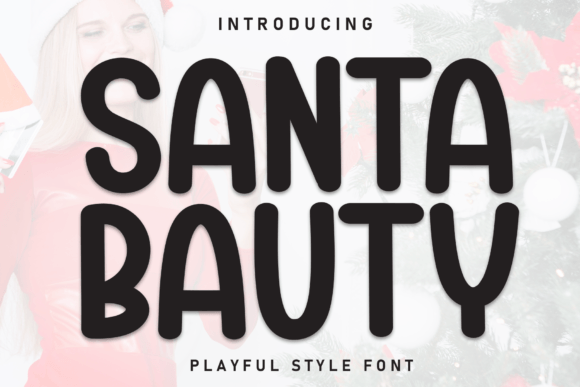
When you are scanning through a crowded social media feed or walking past a storefront, your eyes naturally gravitate toward elements that break the visual monotony. This is precisely where Santa Beauty shines. As a bold and eye-catching display font, it features strong, clear letters with a playful touch, making it perfect for grabbing attention and adding a fun, stylish flair to any design. However, many creators make the mistake of treating such distinctive typefaces as universal solutions, leading to cluttered layouts and unreadable messages. Understanding how to wield this tool correctly can elevate your brand identity, while misusing it can dilute your professional image.
The Allure and Limitations of Display Typography
Santa Beauty is not designed for long-form reading. It is a display font, which means its primary job is to headline, announce, and decorate. Beginners often overlook this distinction, attempting to use bold, character-heavy fonts for body text or detailed descriptions. The result is usually a wall of text that feels heavy and exhausting to read. The thick strokes and playful curves that make the font charming at large sizes become illegible blobs when shrunk down.
To avoid this common pitfall, reserve Santa Beauty for headlines, logos, short quotes, or call-to-action buttons. Pair it with a clean, neutral sans-serif or a simple serif font for the supporting text. This contrast creates a visual hierarchy that guides the viewer’s eye naturally from the exciting headline to the informative content. By respecting the font’s intended scale, you maintain its impact without sacrificing usability.
Misjudging the Tone and Context
One of the most frequent errors entrepreneurs and marketers make is assuming that "playful" always equals "appropriate." While Santa Beauty exudes a festive and cheerful energy, it may clash with brands that require an aura of strict seriousness, luxury minimalism, or corporate austerity. Using a whimsical font for a law firm’s annual report or a high-end jewelry catalog can create cognitive dissonance for the audience, potentially undermining trust.
Before downloading or purchasing, ask yourself if the font’s personality aligns with your brand voice. If you are promoting a holiday sale, a children’s event, or a creative workshop, this typeface is an excellent choice. For more formal contexts, consider using it sparingly as an accent rather than the primary typographic voice. Contextual awareness ensures that your design communicates the right emotion, enhancing rather than confusing your message.
Overlooking Legibility in Digital Spaces
In the digital age, your design will likely be viewed on screens ranging from massive desktop monitors to tiny smartphone displays. A common oversight is failing to test how Santa Beauty renders at different resolutions and sizes. The intricate details and bold weight that look stunning in a print poster might cause rendering issues or appear too dense on a mobile screen.
To mitigate this, always preview your designs on multiple devices. Ensure there is sufficient letter-spacing (tracking) so the characters do not merge into one another. If you are using the font for web headers, check the loading times and ensure the font file is optimized. Poor legibility leads to higher bounce rates, as users will quickly leave a site if they struggle to decipher the main message. Practical testing saves you from launching a campaign that looks great in theory but fails in practice.
Neglecting Color and Background Contrast
Because Santa Beauty has strong, clear letters, it demands high contrast to remain effective. A frequent mistake is placing this bold font over busy backgrounds or using color combinations with low contrast, such as light gray text on a white background. The playful nature of the font can get lost in visual noise, rendering the design ineffective.
For best results, use solid, contrasting backgrounds. If you must place text over an image, use a semi-transparent overlay or a drop shadow to separate the letters from the background details. Remember, the goal is to grab attention, not to hide the message. Simple adjustments in color theory can dramatically improve the readability and aesthetic appeal of your typography.
Licensing and Ethical Usage
Many hobbyists and small business owners inadvertently violate licensing agreements by using free downloads for commercial projects without verifying the terms. Santa Beauty, like many premium display fonts, may have specific usage rights. Ignoring these details can lead to legal complications and unexpected costs down the line.
Always check the license before integrating the font into client work or products for sale. Look for clarity on whether the license covers web use, print distribution, or merchandise. Investing in the proper license not only protects your business but also supports the type designers who create these tools. It is a small step that ensures professional integrity and peace of mind.
Practical Steps for Effective Implementation
To get the most out of this typeface, consider the following approach:
- Start with a mood board: Visualize how Santa Beauty interacts with your existing brand colors and imagery before committing to a final design.
- Limit usage: Use the font for emphasis only. One or two words in Santa Beauty can be more powerful than an entire paragraph.
- Test readability: Show your design to someone unfamiliar with the project. If they hesitate to read the headline, adjust the size, spacing, or color.
- Balance with whitespace: Bold fonts need room to breathe. Avoid crowding the text with other graphic elements.
By avoiding these common mistakes and focusing on strategic application, you can harness the full potential of Santa Beauty. It is a versatile tool that, when used with intention, can transform ordinary designs into memorable visual experiences. Whether you are a freelancer crafting a logo or a marketer designing a holiday campaign, thoughtful typography choices reflect professionalism and creativity. Take the time to experiment, test, and refine your approach, ensuring that every instance of this font serves a clear purpose in your communication strategy.