Gluten: Redefining Playful Typography for Modern Creative Projects
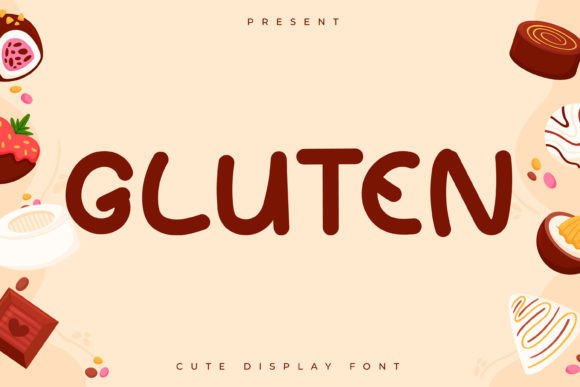
In the rapidly evolving landscape of digital design and print media, the choice of typography serves as the silent ambassador of a brand’s personality. While minimalist sans-serifs have dominated corporate identities for the past decade, a significant shift is occurring. Designers, educators, and marketers are increasingly seeking typefaces that convey warmth, authenticity, and approachability. Enter Gluten, a playful and cute display font that embodies trendiness and authenticity, making it the perfect choice for any children activity or school project. This article explores why this specific typeface has captured the attention of creative professionals and how it aligns with broader shifts in consumer expectations and design workflows.
The Rise of Authenticity in Visual Communication
The modern consumer, whether a parent buying educational materials or a student engaging with digital content, is becoming increasingly discerning about visual cues. There is a growing fatigue toward sterile, overly polished corporate aesthetics. People are craving connection, and authenticity has become a primary driver in purchasing and engagement decisions. Gluten fits squarely into this narrative by offering a hand-drawn aesthetic that feels human rather than algorithmic.
Unlike rigid geometric fonts, Gluten features irregular strokes and organic curves that mimic natural handwriting. This subtle imperfection creates an immediate sense of trust and friendliness. For entrepreneurs and freelancers working in the education sector, this is not merely a stylistic choice but a strategic one. When a brand uses a font like Gluten, it signals that they value creativity and individuality over rigid conformity. This alignment with human-centric design principles is crucial in industries where emotional resonance drives decision-making.
Meeting the Needs of the Education and Lifestyle Sectors
The education technology (EdTech) market has exploded in recent years, transforming how children interact with learning materials. However, many digital platforms still suffer from a lack of visual warmth, often relying on standard system fonts that feel cold and institutional. Integrating Gluten into these interfaces can drastically improve user experience for younger audiences. It reduces cognitive load by making text feel less like a chore and more like an invitation to play.
Consider the workflow of a graphic designer creating materials for a primary school. The goal is to capture attention without overwhelming the student. Gluten’s balanced weight and clear legibility ensure that while the font is decorative, it remains functional. It bridges the gap between fun and readability, a critical requirement for early literacy tools. Similarly, in the lifestyle sector, brands focusing on family wellness, organic products, or creative hobbies find that Gluten complements their messaging perfectly. It suggests a return to simplicity and joy, values that resonate deeply with contemporary parents.
Strategic Applications for Marketers and Creators
For marketers and content creators, understanding when and how to deploy a display font like Gluten is essential. It is not a universal solution for body text, but its power lies in its ability to anchor a visual hierarchy. Here are practical ways professionals are leveraging this typeface to enhance their projects:
- Headlines and Hero Sections: Use Gluten for main titles on landing pages dedicated to children’s products or creative workshops. Its bold presence draws the eye immediately, setting a cheerful tone before the user reads a single word of body copy.
- Social Media Graphics: In the fast-paced world of Instagram and Pinterest, visuals must stop the scroll. Quotes, event announcements, and promotional banners featuring Gluten stand out against the backdrop of generic templates, offering a unique brand signature.
- Packaging Design: For small businesses selling artisanal goods, such as handmade toys or organic snacks, packaging is a key touchpoint. Gluten adds a boutique, handcrafted feel that justifies premium pricing and fosters brand loyalty.
- Educational Worksheets: Teachers and curriculum developers can use Gluten for headers in worksheets to make assignments feel less intimidating. It transforms a standard test into an engaging activity.
By strategically placing Gluten in high-impact areas, creators can maintain professional standards while injecting personality. This approach respects the user’s intelligence while appealing to their emotions, a balance that defines successful modern marketing.
Technological Integration and Workflow Efficiency
The adoption of new typefaces is often hindered by technical compatibility issues. However, Gluten is designed with modern workflows in mind. It supports various formats, including OTF, TTF, and WOFF, ensuring seamless integration across web platforms, mobile apps, and print software. For web developers and UI designers, this means that implementing a playful aesthetic does not come at the cost of performance or accessibility.
Furthermore, the font’s versatility allows it to pair well with a wide range of secondary typefaces. A common best practice is to pair Gluten with a clean, neutral sans-serif for body text. This contrast ensures that the playful nature of the headline does not compromise the readability of longer passages. This modularity fits into the agile workflows of today’s creative teams, where assets need to be repurposed across multiple channels quickly and efficiently.
Why Professionals Are Paying Attention
The attention surrounding Gluten is not accidental; it reflects a broader maturation in the design industry. Professionals are moving away from trends that prioritize novelty over substance. Instead, they are selecting tools that offer longevity and contextual relevance. Gluten’s design is rooted in classic calligraphic principles but updated for digital screens, giving it a timeless quality that avoids looking dated within a few years.
Moreover, the font addresses a specific gap in the market. Many "cute" fonts sacrifice legibility for style, rendering them useless for practical applications. Others are too generic, lacking the character needed to build a distinct brand identity. Gluten strikes a rare balance, offering enough quirkiness to be memorable while maintaining the structural integrity required for professional use. This duality makes it a valuable asset for freelancers who need to deliver high-quality results across diverse client briefs.
From a business perspective, investing in high-quality typography like Gluten is a low-cost, high-impact strategy. It requires no additional software or complex implementation, yet it significantly elevates the perceived value of a project. For startups and small businesses, this efficiency is crucial. It allows them to compete with larger entities by presenting a polished, thoughtful brand image that resonates with their target audience.
Future-Proofing Your Creative Assets
As we look toward the future of digital interaction, the demand for personalized and empathetic design will only grow. Technologies such as augmented reality and interactive e-learning platforms will require typefaces that can adapt to dynamic environments while retaining their charm. Gluten’s robust character set and clear forms make it well-suited for these emerging mediums. Whether displayed on a smartboard in a classroom or on a wearable device, its clarity and personality remain intact.
Creators who adopt such versatile tools now are positioning themselves ahead of the curve. They are building libraries of assets that are not just trendy but fundamentally sound. This forward-looking approach ensures that their work remains relevant as design standards evolve. It is not about chasing the next big thing, but about selecting elements that enhance communication and foster connection.
Conclusion
Gluten is more than just a font; it is a tool for humanizing digital and print experiences. By embodying trendiness and authenticity, it meets the changing needs of consumers who value warmth and clarity. For professionals, entrepreneurs, and educators, incorporating Gluten into their workflows offers a practical way to enhance engagement and build stronger brand connections. As the industry continues to prioritize user-centric design, typefaces that balance playfulness with professionalism will remain indispensable. Embracing this shift allows creators to produce work that is not only visually appealing but also deeply resonant with their audience.
To explore how this typeface can transform your next project, consider experimenting with it in your current design stack. Observe how it changes the tone of your headlines and the emotional response of your viewers. In a world saturated with information, the right voice—visual or otherwise—can make all the difference. Discover more about integrating playful typography into your professional portfolio and stay ahead in the competitive creative landscape.