Super Cookies: A Playful Display Font for Creative Projects
When selecting typography for design projects, the choice of font can significantly influence the tone and reception of the work. Super Cookies is a display typeface that has garnered attention for its distinct aesthetic, characterized by a blend of playfulness and cuteness. Designed to embody trendiness and authenticity, this font serves as a specialized tool for designers working on specific types of visual content. Understanding the nuances of Super Cookies allows creators to determine whether it aligns with their project goals or if an alternative might better serve their needs.
Understanding the Aesthetic of Super Cookies
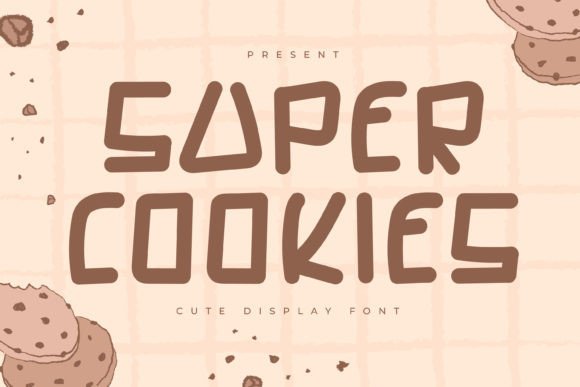
At its core, Super Cookies is a display font, meaning it is optimized for use in headlines, titles, and short bursts of text rather than long-form body copy. The design philosophy behind the typeface centers on approachability and charm. It features rounded edges, irregular strokes, and a hand-drawn quality that mimics the imperfections of authentic handwriting while maintaining digital consistency. This combination creates a visual identity that feels both modern and nostalgic.
The "trendiness" associated with Super Cookies stems from its alignment with current design movements that favor organic shapes over rigid geometric structures. In an era where minimalism often dominates corporate branding, fonts like Super Cookies offer a counter-narrative that emphasizes warmth and human connection. The "authenticity" mentioned in its description refers to its ability to avoid the sterile look of standard system fonts, providing a unique voice that stands out in crowded visual spaces.
Ideal Use Cases and Applications
The primary strength of Super Cookies lies in its suitability for audiences that respond well to friendly and non-threatening visual cues. Consequently, it is frequently cited as a perfect choice for children’s activities and school projects. However, its application extends beyond these obvious categories. Designers evaluating this font should consider the following scenarios where it may be a strong fit:
- Educational Materials: Worksheets, classroom posters, and learning apps benefit from typography that reduces anxiety and encourages engagement. Super Cookies provides a welcoming atmosphere for young learners.
- Children’s Branding: Logos and packaging for products targeting kids, such as toys, snacks, or clothing, can leverage the font’s cute aesthetic to appeal directly to the end-user while signaling fun to parents.
- Creative Hobbies and Crafts: DIY blogs, scrapbooking templates, and craft kit labels often require a whimsical touch that Super Cookies delivers effectively.
- Event Invitations: Birthday parties, baby showers, and family reunions are events where a formal tone is unnecessary. This font helps set a celebratory and relaxed mood.
In these contexts, the font acts not just as a vehicle for information but as an emotional cue. It signals to the viewer that the content is safe, enjoyable, and accessible.
Benefits and Practical Advantages
One of the key benefits of using Super Cookies is its immediate impact. Because it is a display font with strong personality, it requires little additional graphic embellishment to attract attention. This can streamline the design process for creators who need to produce visually appealing materials quickly. Furthermore, its legibility at larger sizes ensures that headlines remain clear even when paired with complex backgrounds or illustrations.
Another advantage is its versatility within its niche. While it is undeniably cute, it does not lean so heavily into caricature that it becomes difficult to read. The balance between trendiness and functionality means it can adapt to various color palettes and layout styles without clashing. For educators and parents creating school projects, this ease of integration is a significant practical benefit.
Tradeoffs and Limitations
Despite its strengths, Super Cookies is not a universal solution. Evaluating any typeface requires an honest assessment of its limitations. The most significant tradeoff is its lack of suitability for formal or serious contexts. Using Super Cookies for legal documents, corporate reports, or high-end luxury branding would likely undermine the credibility of the message. The font’s inherent playfulness can be perceived as unprofessional in environments that demand authority and seriousness.
Additionally, as a display font, it is not designed for extended reading. Long paragraphs set in Super Cookies can cause eye fatigue due to the irregular letterforms and varying stroke widths. Designers must pair it with a more neutral sans-serif or serif font for body text to ensure readability. Failure to do so can result in a cluttered and exhausting user experience.
There is also the consideration of overuse. Because playful, rounded fonts have become trendy, there is a risk of Super Cookies blending in with countless other similar typefaces. To maintain authenticity, designers must use it thoughtfully, ensuring that the surrounding design elements support rather than compete with the font’s character.
Comparing Alternatives
When deciding whether Super Cookies is the right choice, it is helpful to consider alternatives. If the goal is to achieve a playful tone but with a more structured feel, a geometric sans-serif with rounded terminals might be a better option. These fonts offer a cleaner look that can bridge the gap between casual and professional. Conversely, if the project requires a more rustic or hand-crafted appearance, a brush script or chalk-style font might provide the desired authenticity, though potentially at the cost of legibility.
For school projects specifically, alternatives might include simpler handwriting fonts that mimic child-like writing more closely. However, Super Cookies offers a polished version of this aesthetic, which may be preferable when the goal is to create materials that look professionally designed yet child-friendly.
Decision-Making Insights for Designers
To determine if Super Cookies aligns with your goals, ask the following questions:
- Who is the audience? If the primary viewers are children, parents, or individuals seeking a lighthearted experience, this font is likely a strong candidate.
- What is the medium? Ensure the font will be used primarily for headings, logos, or short labels. Avoid using it for dense text blocks.
- What is the brand personality? If the brand or project values warmth, approachability, and fun, Super Cookies supports these traits. If the values are precision, luxury, or authority, look elsewhere.
It is also advisable to test the font in context. Create a mockup of the final design using Super Cookies alongside potential body fonts. Evaluate the contrast and harmony between the elements. Does the font enhance the message, or does it distract from it? This practical testing phase is crucial for avoiding common pitfalls associated with decorative typefaces.
Conclusion
Super Cookies represents a specific tool in the designer’s toolkit, optimized for creating engaging, friendly, and trendy visuals. Its strength lies in its ability to convey authenticity and cuteness, making it an excellent choice for children’s activities, educational materials, and casual creative projects. However, its effectiveness is bounded by its display nature and informal tone. By understanding these boundaries and pairing it with appropriate complementary fonts, designers can leverage Super Cookies to create impactful and emotionally resonant designs. Ultimately, the decision to use this font should be driven by a clear understanding of the audience’s expectations and the project’s communicative goals.