Super Minimalist: The Art of Playful Simplicity in Typography
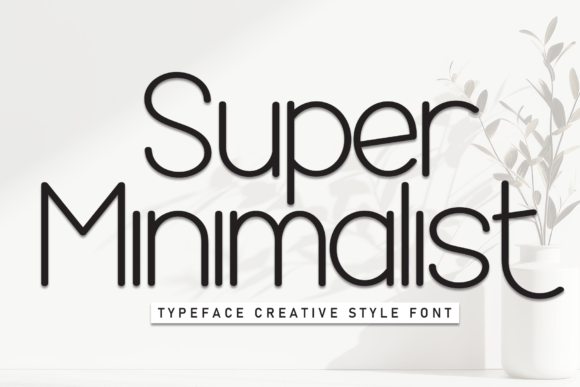
In the vast landscape of digital design, where trends often swing between hyper-complex 3D renders and stark, utilitarian grids, there remains a persistent demand for something human. We crave connection. We seek warmth. This is where Super Minimalist enters the conversation, not merely as a tool, but as a bridge between cold pixels and genuine emotion. Introducing a delightful and affable handwritten display font, this typeface offers a charming touch to your creative canvass. It is not just about letters; it is about the feeling those letters evoke when they land on a page or a screen.
Radiating an aura of light-heartedness and playfulness, this font is an excellent choice for crafting heartfelt wedding invitations, captivating cards, or any design that demands a bit of whimsy. Let this font infuse your work with a sweet, fun and warm essence, making every word memorable. But beyond the immediate aesthetic appeal, understanding how to leverage such a specific typographic voice requires a nuanced approach. This article explores the practical applications, inherent strengths, and strategic considerations of using Super Minimalist in professional and personal projects.
The Psychology of Handwritten Display Fonts
Typography is rarely neutral. Every curve, weight, and spacing decision communicates a subtext. Standard sans-serif fonts often signal efficiency, modernity, and corporate stability. Serif fonts suggest tradition, authority, and literary depth. However, handwritten display fonts like Super Minimalist operate in a different psychological register. They signal authenticity.
In an era dominated by AI-generated content and automated customer service interactions, the "human hand" has become a premium asset. When a viewer sees a typeface that mimics the irregularities and flow of natural handwriting, their brain processes it as personal. It suggests that a real person took the time to craft the message. This is why Super Minimalist is particularly effective for brands that want to appear approachable rather than imposing. It lowers the barrier between the creator and the consumer, fostering a sense of intimacy and trust.
Key Characteristics That Define the Aesthetic
To use Super Minimalist effectively, one must understand its structural DNA. It is not a chaotic scrawl; it is a curated simulation of casual penmanship. Several key features define its utility:
- Affable Letterforms: The rounded terminals and open counters create a friendly, non-threatening visual presence.
- Consistent Irregularity: While it mimics handwriting, it maintains enough consistency to remain legible, avoiding the pitfalls of truly messy script.
- Light-Hearted Weight: The stroke width is generally uniform but light, contributing to an airy, uncluttered feel that does not dominate the layout.
- Playful Baseline: Slight variations in baseline alignment add to the organic feel, preventing the text from looking rigid or mechanical.
These characteristics make it a versatile tool, but they also impose certain limitations. It is a display font, meaning it is designed for headlines, short phrases, and emphasis, not for long-form body text. Recognizing this boundary is crucial for maintaining readability and professional standards.
Practical Applications in Modern Design
Where does Super Minimalist shine brightest? Its versatility allows it to punch above its weight in various sectors, provided it is used with intention. Here are some real-world scenarios where this font adds significant value.
1. The Wedding and Event Industry
This is perhaps the most natural habitat for Super Minimalist. Weddings are emotional milestones, and the invitation suite sets the tone for the entire event. A rigid, corporate font can feel cold and impersonal. In contrast, Super Minimalist radiates warmth. It works exceptionally well for:
- Couple’s names on the main invitation card.
- Handwritten-style notes on RSVP cards.
- Table numbers and place cards that need to feel bespoke.
- Signage at the venue, such as welcome boards or menu headers.
The goal here is to make guests feel welcomed and valued before they even arrive. The font’s whimsical nature aligns perfectly with the celebratory and intimate atmosphere of such gatherings.
2. Boutique Branding and Packaging
For small business owners, particularly in the lifestyle, beauty, or artisanal food sectors, packaging is a silent salesman. Super Minimalist can be used to highlight key selling points on a label, such as "Handmade," "Organic," or "With Love." It contrasts beautifully with clean, minimal sans-serif fonts used for nutritional information or legal text. This juxtaposition creates a hierarchy that guides the eye: the emotional hook first, the factual details second.
3. Digital Content and Social Media
In the fast-scrolling world of Instagram and Pinterest, static images need to grab attention quickly. Quotes, inspirational messages, or promotional overlays benefit from the personality of Super Minimalist. It breaks the monotony of standard system fonts and encourages users to pause and engage. However, designers must ensure sufficient contrast against background images to maintain accessibility.
Evaluating Suitability: When to Use It and When to Avoid It
While Super Minimalist is charming, it is not a universal solution. Good design is about context. Using a playful handwritten font in a serious legal document or a high-frequency trading platform would be jarring and inappropriate. Here is a guide to evaluating its suitability for your next project.
Use Super Minimalist when:
- The brand voice is friendly, approachable, and informal.
- The target audience includes families, children, or creative professionals.
- The message is short and needs to stand out as a headline or accent.
- You want to evoke nostalgia, comfort, or joy.
Avoid Super Minimalist when:
- Legibility is the primary concern, such as in lengthy paragraphs or small print.
- The subject matter is serious, somber, or highly technical.
- The brand identity is built on precision, luxury, or strict corporate authority.
- You are designing for audiences with visual impairments who may struggle with non-standard letterforms.
Design Tips for Maximum Impact
To get the most out of Super Minimalist, consider these practical design principles. First, pairing is key. Because this font is so expressive, it needs a stable partner. Pair it with a neutral, geometric sans-serif for body text. This creates a balance between personality and clarity. Second, respect white space. Handwritten fonts often have unique kerning needs. Do not cram the letters together; let them breathe to maintain their airy, light-hearted quality.
Furthermore, consider color psychology. Soft pastels, earthy tones, or warm neutrals often complement the sweet essence of Super Minimalist better than harsh neons or stark blacks. The color should enhance the warmth, not compete with it.
Conclusion: Adding a Human Touch to Digital Spaces
In conclusion, Super Minimalist is more than just a collection of glyphs; it is a design resource that enables creators to inject humanity into their work. Whether you are designing a wedding invitation that will be kept as a keepsake, a product label that sits on a kitchen shelf, or a social media graphic that aims to inspire, this font offers a reliable way to connect emotionally with your audience.
By understanding its strengths—its playfulness, warmth, and affable nature—and respecting its limitations as a display typeface, you can use Super Minimalist to elevate your designs. It reminds us that even in a digital world, the touch of the human hand, simulated or real, remains powerful. Let this font infuse your work with a sweet, fun and warm essence, making every word memorable. For designers and business owners alike, it is a valuable addition to the toolkit, proving that sometimes, less really is more, especially when that "less" is filled with character.
If you are looking to refresh your brand’s visual language or add a personal touch to your next creative project, consider exploring how Super Minimalist can fit into your narrative. It is a small change that can yield significant emotional returns.