Embracing the Breeze: How Simple Summer Font Elevates Casual Design
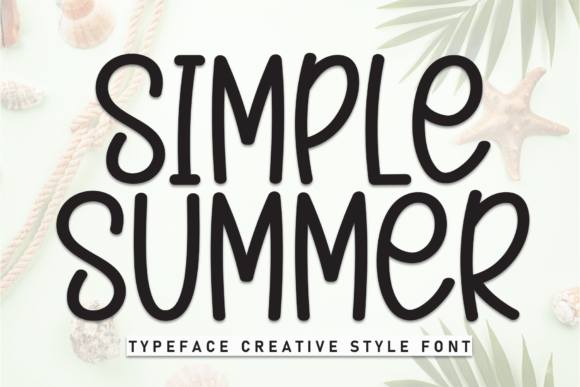
In the vast landscape of digital typography, finding a typeface that perfectly captures a specific mood can be transformative. Among the myriad options available to designers, marketers, and hobbyists alike, Simple Summer stands out as a distinctive choice for those seeking warmth and authenticity. This fun, handwritten display font embodies a relaxed, casual style that resonates deeply with audiences looking for a personal touch. Whether you are designing a beachside café menu, crafting social media graphics for a travel blog, or creating invitations for a backyard gathering, understanding how to leverage this typeface can significantly enhance your visual communication.
The Essence of Handwritten Typography
To truly appreciate the value of Simple Summer, it is helpful to understand the broader context of handwritten fonts in modern design. For decades, corporate branding relied heavily on rigid, geometric sans-serifs or traditional serifs that conveyed stability and authority. However, the digital age has ushered in a desire for human connection. Consumers are increasingly drawn to brands and content that feel approachable, authentic, and "real."
Handwritten fonts bridge the gap between digital precision and human imperfection. They mimic the natural flow of ink on paper, introducing slight irregularities that make text feel alive. Simple Summer is a prime example of this category. It is not merely a collection of letters; it is a stylistic tool that injects personality into static designs. By using a font that looks like it was written by hand, you signal to your audience that there is a human behind the message, fostering a sense of trust and familiarity.
Why Casual Style Matters in Visual Communication
The term "casual" in typography does not imply sloppy or unprofessional. Instead, it refers to an aesthetic that is unpretentious and easygoing. In a world saturated with polished, high-gloss advertising, a casual style can cut through the noise. It suggests that the brand or creator is confident enough to be themselves without hiding behind corporate jargon or stiff visuals.
When you choose a font like Simple Summer, you are making a strategic decision to lower the barrier between your content and your audience. This is particularly effective in industries such as hospitality, lifestyle blogging, artisanal crafts, and education, where warmth and accessibility are key drivers of engagement.
Practical Applications for Simple Summer
While the aesthetic appeal of this font is undeniable, its true power lies in its versatility. Here are several practical ways to integrate this handwritten display font into your projects:
- Social Media Graphics: Platforms like Instagram and Pinterest thrive on visually appealing, scroll-stopping content. Using Simple Summer for quotes, headlines, or overlay text on photos can make your posts feel more curated and personal.
- Event Invitations: Whether it is a summer wedding, a birthday party, or a community picnic, this font adds a festive and welcoming tone to printed or digital invites.
- Packaging and Labels: For small business owners selling homemade jams, candles, or soaps, using a handwritten font on labels can emphasize the handmade nature of the product.
- Educational Materials: Teachers and educators can use this font to create engaging worksheets or classroom decorations that feel friendly and less intimidating to students.
Balancing Readability and Style
One common misconception about display fonts is that they are difficult to read. While it is true that highly stylized scripts can pose challenges, Simple Summer is designed with clarity in mind. Its letters are distinct and well-spaced, ensuring that the message remains legible even at smaller sizes. However, best practices still apply. It is generally advisable to use handwritten fonts for headings, short phrases, or accents rather than long paragraphs of body text. Pairing Simple Summer with a clean, neutral sans-serif font for body copy creates a harmonious balance that is both stylish and easy to digest.
Integrating Simple Summer into Modern Workflows
For designers and content creators, incorporating new fonts into their workflow requires a bit of strategy. Here is a step-by-step approach to getting the most out of this typeface:
- Define the Mood: Before starting your design, ask yourself what emotion you want to evoke. If the goal is relaxation, joy, or nostalgia, Simple Summer is an excellent fit. If the project requires strict formality, consider using it only for subtle accents.
- Experiment with Hierarchy: Use the font to establish visual hierarchy. Make your main headline large and bold using Simple Summer, while keeping secondary information in a simpler typeface. This guides the viewer’s eye naturally through the design.
- Color Psychology: Since this font is associated with summer and relaxation, pair it with colors that reinforce this theme. Soft pastels, warm oranges, sunny yellows, or ocean blues can enhance the font’s inherent vibe.
- Test Across Devices: Always preview your designs on different screens. What looks perfect on a desktop monitor might appear differently on a mobile device. Ensure that the handwritten details remain clear and impactful on smaller screens.
Avoiding Common Pitfalls
Even with a versatile font like this, there are pitfalls to avoid. One frequent mistake is overusing the font. When everything is highlighted, nothing stands out. Reserve Simple Summer for key elements that need to capture attention. Another error is ignoring contrast. Placing a light, thin handwritten font against a busy background can render it unreadable. Always ensure there is sufficient contrast between the text color and the background to maintain accessibility and clarity.
The Broader Impact on Creativity and Business
Beyond individual projects, the adoption of fonts like Simple Summer reflects a larger shift in how we communicate visually. In business, this trend towards personalization helps brands build stronger emotional connections with their customers. A logo or tagline written in a friendly, handwritten style can make a company feel more like a neighbor than a corporation. In education, it can make learning materials feel more inviting, encouraging participation from students who might otherwise feel disconnected from rigid academic formats.
Furthermore, in the realm of technology and user experience (UX) design, micro-copy—the small bits of text found in apps and websites—benefits greatly from a casual tone. Using a font like Simple Summer for error messages, welcome screens, or tooltips can soften the interaction, making technology feel more human-centric and less mechanical.
Conclusion: Adding a Personal Touch to Your Projects
In conclusion, Simple Summer is more than just a font; it is a vehicle for expression. Its relaxed, casual style offers a refreshing alternative to the sterile typography that often dominates digital spaces. By understanding its strengths and applying it thoughtfully, you can add a genuine personal touch to your summer projects and designs. Whether you are a seasoned graphic designer or a beginner exploring the world of typography, embracing the warmth of handwritten fonts can elevate your work and resonate more deeply with your audience.
As you move forward with your creative endeavors, remember that typography is a powerful tool for storytelling. Let Simple Summer help you tell stories that are bright, welcoming, and unmistakably human. Explore its possibilities, experiment with pairings, and enjoy the process of bringing a bit of summer sunshine into your daily design routine.