Tackful: The Hand-Crafted Serif With Personality
There is a distinct moment in the design process when a project feels too sterile. You have chosen your grid, selected your colors, and picked a safe, reliable sans serif font for the body copy. Everything is aligned, yet something is missing. The work lacks soul. This is often where designers turn to display typefaces that break the monotony of digital perfection. Enter Tackful, a hand-crafted serif font that introduces a tactile, human element to modern typography.
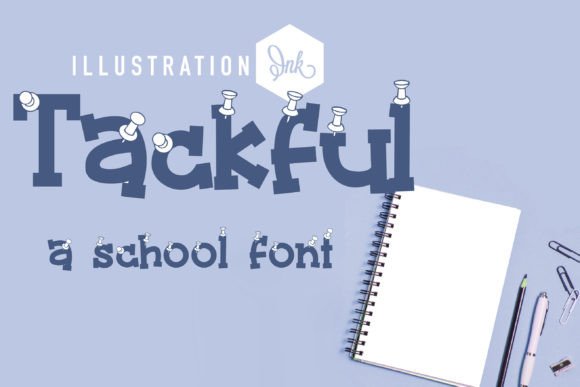
Unlike standard digital fonts that rely on mathematical precision, Tackful features thumbtacks throughout its character set. This unique visual motif transforms ordinary text into something that feels pinned, curated, and intentionally placed. It is not just a typeface; it is a design asset that communicates a specific mood—one of creativity, organization, and hands-on craftsmanship. For professionals seeking a premium font that stands out without sacrificing legibility, understanding how to leverage this distinctive style is key.
Visual Character and Design Appeal
At first glance, Tackful appears to be a traditional serif typeface, but closer inspection reveals its playful secret. The inclusion of thumbtack illustrations within the letterforms gives it a three-dimensional quality, as if the letters have been physically pinned to a corkboard or a mood board. This hand-crafted aesthetic bridges the gap between formal typography and informal sketching. It retains the structural integrity of a serif font while injecting the warmth of a handwritten note.
The appeal of Tackful lies in its ability to feel both professional and approachable. In an era where modern typography often leans toward minimalism and cold neutrality, this font offers a refreshing counterpoint. It suggests that behind the brand or the message, there are real people making real decisions. The thumbtack detail serves as a subtle metaphor for ideas being captured and held in place. For creative directors and brand strategists, this visual language can reinforce concepts of brainstorming, planning, and tangible results.
However, because it is a display font, it demands attention. It is not designed to disappear into the background. Instead, it acts as a focal point. When used correctly, it draws the eye and invites the viewer to linger on the message. This makes it particularly effective for headlines, short quotes, and logos where immediate visual impact is necessary. The texture provided by the thumbtacks adds depth, preventing the design from feeling flat on screen or paper.
Strategic Applications Across Media
Knowing where to use Tackful is just as important as knowing what it looks like. Its unique characteristics make it versatile across various mediums, provided the context supports its playful yet structured nature. Here are several areas where this creative font shines:
- Branding and Logo Design: For businesses in the craft, education, or creative consulting sectors, Tackful can serve as the cornerstone of a brand identity. It signals attention to detail and a hands-on approach. A logo using this typeface immediately differentiates a company from competitors using generic corporate fonts.
- Packaging Design: Artisanal products, such as handmade soaps, small-batch coffees, or boutique stationery, benefit from packaging that feels personal. Using Tackful on labels or boxes enhances the perception of quality and care, suggesting that the product was crafted with intention.
- Editorial and Print: In magazines, zines, or newsletters, this font works beautifully for pull quotes, section headers, or chapter titles. It breaks up dense blocks of text and adds visual interest to editorial design layouts. The thumbtack motif can even inspire broader design elements, such as using pin-like icons or dotted lines throughout the publication.
- Social Media Graphics: In the fast-scrolling environment of Instagram or Pinterest, static images need to grab attention quickly. Tackful’s distinctive look performs well in quote cards, event announcements, and promotional graphics. It stands out against the sea of clean, sans-serif text that dominates social feeds.
- Invitations and Greeting Cards: As a handwritten font alternative, it brings a sense of occasion without being overly formal. It is perfect for wedding save-the-dates, birthday invitations, or thank-you notes where a touch of whimsy is desired.
While Tackful is powerful, it is not suitable for long-form body text. Its intricate details can reduce readability at smaller sizes. Therefore, it should always be paired with a clean, highly legible typeface for paragraphs. A simple sans serif font or a classic serif with high x-height works best to balance the visual weight of Tackful.
Enhancing Brand Perception and Engagement
Typography is more than just reading; it is about feeling. The choice of typeface influences how an audience perceives a brand’s personality. Tackful conveys reliability mixed with creativity. The thumbtack element suggests stability—ideas are secured, plans are fixed—while the hand-crafted style implies flexibility and human touch. This combination can significantly enhance brand perception, making a company appear both organized and innovative.
Consistency is crucial in building recognition. If Tackful is adopted as part of a visual system, it should be used consistently across all touchpoints. Whether on a website header, a business card, or a web design banner, the font helps create a cohesive narrative. Over time, audiences begin to associate the unique thumbtack aesthetic with the brand itself, aiding in instant recognition.
Moreover, this font can drive audience engagement. People are naturally drawn to novelty and texture. When users encounter Tackful, they are more likely to pause and read the content because it differs from the standard digital noise. This increased dwell time can lead to higher engagement rates, whether that means clicking a link, sharing a post, or remembering a brand name. In marketing campaigns, this subtle psychological effect can be the difference between being ignored and being noticed.
Practical Guidance for Implementation
Before integrating Tackful into your next project, consider these practical steps to ensure optimal results:
- Evaluate Project Fit: Ask yourself if the tone of your project aligns with a hand-crafted, tactile aesthetic. If you are designing for a law firm or a medical device manufacturer, this font may be too casual. However, for lifestyle brands, educational platforms, or creative agencies, it is an excellent fit.
- Test Font Pairings: Never use Tackful in isolation for complex layouts. Pair it with a neutral typeface to maintain hierarchy. For example, combine it with a geometric sans serif for a modern contrast, or a traditional serif for a more vintage, scholarly feel. Ensure there is enough contrast in weight and style to guide the reader’s eye.
- Check Readability: Always test the font at various sizes. While it works well as a display font, avoid using it for text smaller than 18 points in print or equivalent in web design. Ensure sufficient contrast between the text color and the background to keep the thumbtack details visible.
- Review Licensing: If you plan to use Tackful for commercial purposes, such as in logo design or product packaging, verify the licensing terms. Ensure you have the appropriate commercial font license to avoid legal issues. Many premium fonts offer different tiers for personal versus commercial use.
- Consider Technical Constraints: For web design, ensure the font file is optimized for fast loading. Large, detailed font files can slow down page speed, affecting user experience and SEO. Use WOFF2 formats where possible and limit the number of weights loaded.
In conclusion, Tackful offers a unique blend of structure and playfulness that few other typefaces can match. By understanding its visual characteristics and applying it strategically, designers and marketers can create memorable, engaging, and emotionally resonant work. It is a tool that reminds us that even in a digital world, the human touch remains invaluable.