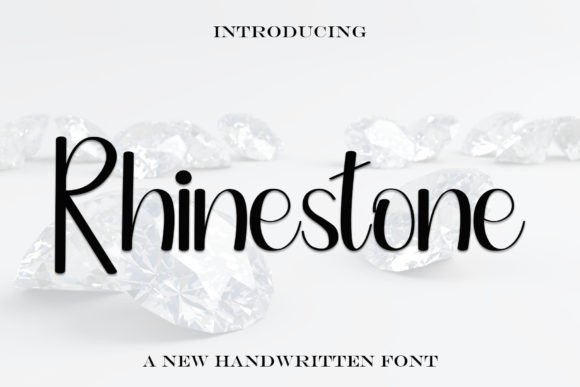
Rhinestone Font: Elegant Handwritten Style
In the crowded landscape of digital typography, finding a typeface that balances personality with professionalism is often a challenge. Many handwritten fonts lean too heavily into casual scribbles, sacrificing legibility for whimsy, while others feel stiff and mechanical despite their cursive appearance. Rhinestone emerges as a compelling solution to this common design dilemma. It is a trendy handwritten font with a contemporary atmosphere and impeccable form, inspired by timeless classic calligraphy. For designers, marketers, and content creators who need to inject warmth without losing authority, this typeface offers a refined tool that bridges the gap between artistic expression and functional clarity.
The Anatomy of Modern Elegance
What sets Rhinestone apart is its deliberate construction. Unlike spontaneous brush scripts that can appear erratic, this font maintains a consistent rhythm and baseline. The strokes are smooth, mimicking the pressure variations of a high-quality nib pen, yet they retain a digital precision that ensures clean edges at any size. This duality allows it to add elegance and class to any of your design projects while remaining versatile enough for both print and screen media.
The inspiration drawn from classic calligraphy provides a foundation of trust. Viewers subconsciously associate traditional script with heritage, quality, and attention to detail. By modernizing these forms, Rhinestone taps into that psychological association but updates it for a contemporary audience. It feels fresh rather than dated, making it suitable for brands that want to appear established yet current. The letterforms are open and airy, preventing the text from feeling cramped or difficult to read, which is a critical consideration for user experience in web design and marketing materials.
Practical Applications for Creative Professionals
Understanding where to apply a specific typeface is just as important as choosing it. Rhinestone shines in contexts where a human touch is desired. Here are several practical ways different professionals can integrate this font into their workflow:
- Brand Identity and Logotypes: For boutique businesses, such as florists, jewelry makers, or artisanal bakeries, a logo using Rhinestone communicates craftsmanship. It suggests that the product is made with care, distinguishing the brand from mass-produced competitors.
- Wedding and Event Stationery: The font’s inherent romance makes it ideal for invitations, save-the-dates, and menu cards. Pairing it with a clean sans-serif for body text creates a sophisticated hierarchy that guides the reader’s eye effortlessly.
- Social Media Graphics: In an era where visual content dominates platforms like Instagram and Pinterest, quotes and promotional overlays need to stand out. Rhinestone adds visual interest to short phrases, making them shareable and aesthetically pleasing without overwhelming the image.
- Packaging Design: Product labels benefit from the organic feel of handwritten text. Whether it is a craft beer label or a skincare bottle, the font adds a tactile quality that encourages consumers to pick up the product.
Strategic Pairing and Layout Techniques
To maximize the impact of Rhinestone, it should not be used in isolation. Effective typography relies on contrast. Because Rhinestone has a distinct personality and moderate stroke weight, it pairs beautifully with neutral, geometric sans-serifs. Fonts like Montserrat, Lato, or Open Sans provide a stable foundation that allows the script to shine without competing for attention.
When designing layouts, consider the principle of white space. Handwritten fonts require breathing room to maintain their legibility and elegance. Crowding Rhinestone against other elements or using it in long paragraphs can diminish its effectiveness. Instead, use it for headlines, subheadings, pull quotes, or short captions. Keep line spacing generous to preserve the flow of the letters. This approach ensures that the design feels organized and professional, rather than chaotic.
For digital applications, ensure that the font size is large enough to be readable on mobile devices. While the form is impeccable, intricate details can get lost at small sizes. Testing your designs across various screen resolutions is essential to maintain clarity and accessibility.
Tailoring the Message to Your Audience
Different audiences respond to typography in unique ways. Entrepreneurs and small business owners can use Rhinestone to soften their brand voice, making it more approachable and friendly. This is particularly effective for service-based industries like coaching, consulting, or wellness, where building personal connection is key. The font signals that there is a human behind the business, fostering trust and rapport.
Educators and publishers might find value in using Rhinestone for chapter headers or special annotations in textbooks and educational materials. It breaks the monotony of standard academic fonts and can help highlight key concepts or inspirational quotes, making the material more engaging for students. However, it is crucial to maintain academic rigor by limiting its use to decorative or emphatic roles, ensuring the primary content remains easy to scan and study.
Freelancers and bloggers can leverage this font to create a cohesive visual identity across their portfolios and websites. A consistent typographic style helps in building brand recognition. By using Rhinestone for blog post titles or section dividers, creators can establish a signature look that readers begin to associate with their unique voice and perspective.
Maintaining Consistency and Originality
While Rhinestone is a powerful tool, overuse can lead to visual fatigue. To keep your designs fresh and effective, vary how you apply the font. Experiment with different colors, but stick to a cohesive palette that complements the font’s elegant nature. Soft pastels, deep navy, or classic black often work well, whereas neon or overly bright colors might clash with its sophisticated vibe.
Another way to maintain originality is to combine Rhinestone with custom illustrations or photography. The organic lines of the font harmonize with natural textures and hand-drawn elements. Avoid pairing it with overly technical or industrial graphics, as this can create a disjointed aesthetic. Instead, let the font enhance the narrative of your visuals, creating a unified story that resonates with your audience.
It is also important to stay updated with design trends while remaining true to your brand’s core values. Rhinestone’s contemporary atmosphere ensures it remains relevant, but its classic roots provide longevity. This balance allows you to create designs that feel current today but will not look outdated tomorrow. By focusing on clear communication and aesthetic harmony, you can use this typeface to elevate your projects consistently.
Final Thoughts on Creative Implementation
Typography is more than just selecting letters; it is about conveying emotion and guiding perception. Rhinestone offers a versatile option for those seeking to add a touch of refined humanity to their work. Whether you are designing a luxury brand identity, crafting a heartfelt invitation, or enhancing a digital blog, this font provides the structural integrity and stylistic flair needed to make a lasting impression.
By understanding its strengths and applying it with intention, you can transform ordinary designs into exceptional experiences. Remember to prioritize readability, embrace white space, and pair it thoughtfully with complementary typefaces. In doing so, you harness the full potential of Rhinestone, creating work that is not only visually appealing but also deeply effective in communicating your message. Let this font be the spark that elevates your creative projects, adding that final layer of polish and professionalism that distinguishes good design from great design.