Losing Death: The Typography of Terror
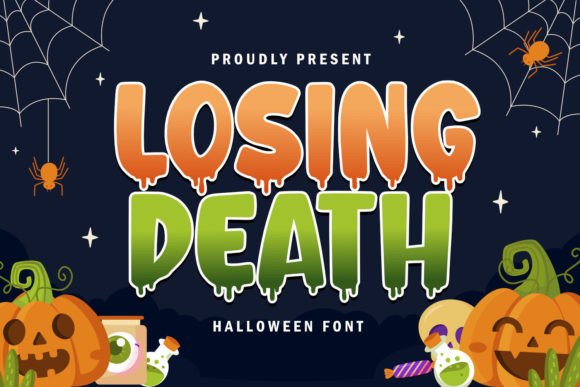
In the saturated landscape of digital design, capturing immediate attention is no longer just an advantage; it is a necessity. For creators working within the horror, thriller, and dark fantasy genres, standard typefaces often fail to convey the visceral emotional weight required by their projects. This is where Losing Death emerges not merely as a font, but as a narrative device. Unveiling the spine-chilling Losing Death Font reveals a terrifyingly mesmerizing typographic creation that transcends traditional lettering. Every typed letter oozes an uncanny resemblance to dripping blood, sinking downwards in a dreadful yet intriguing display of horrific allure. This incredibly evocative font is the ideal choice to magnify the grim intensity of your posters, captivate readers with chilling book covers, or stamp an unforgettable terror on your horror game logos. Lose yourself in the haunting charm of the Losing Death Font.
The Evolution of Horror Aesthetics in Digital Media
The demand for specialized typography has grown in tandem with the expansion of independent media. Two decades ago, horror branding was largely confined to major studio releases with dedicated art departments. Today, the democratization of content creation means that indie game developers, self-published authors, and niche marketers are competing for visibility in a crowded marketplace. In this context, visual identity is paramount. Audiences have become visually literate, capable of distinguishing between generic stock assets and bespoke, thematic design elements.
Losing Death fits into this modern workflow by offering a high-impact visual solution that requires minimal additional graphic manipulation. The font’s inherent design—characterized by its fluid, descending strokes—mimics the physical properties of viscous liquids. This organic quality contrasts sharply with the rigid geometry of standard sans-serif or serif fonts, creating an immediate psychological response in the viewer. It taps into a primal unease, leveraging the universal association between dripping fluids and injury or decay.
As user expectations shift toward immersive experiences, static text is no longer sufficient. Whether for a podcast cover art, a Halloween event poster, or a video game title screen, the typography must perform heavy lifting. It must set the tone before a single word is read. The relevance of Losing Death lies in its ability to bridge the gap between textual information and atmospheric storytelling.
Practical Applications for Creators and Marketers
Understanding the technical and aesthetic strengths of this typeface allows professionals to deploy it strategically. While its dramatic flair makes it unsuitable for body text or long-form reading, it excels in display contexts where brevity and impact are key. Below are specific scenarios where this font adds significant value:
- Book Cover Design: For authors in the supernatural thriller or slasher genres, the title treatment is often the deciding factor for a potential reader browsing online thumbnails. Using Losing Death for the main title can instantly signal the subgenre, attracting the target demographic while repelling those seeking light-hearted fare.
- Horror Game Logos: Indie game developers often work with limited budgets for asset creation. A strong typographic logo can serve as the central visual anchor for marketing materials. The dripping effect of this font reduces the need for complex texture overlays, streamlining the design process while maintaining a high level of polish.
- Event Promotion: Escape rooms, haunted houses, and themed parties rely on immersive branding. Posters and social media graphics utilizing this typeface create a cohesive visual language that extends the experience from the digital realm to the physical venue.
- Video Content Thumbnails: YouTubers and streamers focusing on horror reviews or true crime stories can use short, punchy text overlays in this font to increase click-through rates. The visual disruption caused by the irregular, dripping shapes stands out against the clean interfaces of platforms like YouTube or Twitch.
Integrating Thematic Typography into Modern Workflows
Adopting a specialized font like Losing Death requires a shift in design thinking. It is not simply a matter of swapping fonts; it involves considering legibility, contrast, and composition. Because the letters feature extended descenders and irregular edges, they require more vertical space than standard typefaces. Designers must adjust line height and padding to prevent the "dripping" elements from colliding with other design components.
Furthermore, color theory plays a crucial role in maximizing the font's effect. While the default black or white rendering is stark and effective, pairing the font with deep reds, muted purples, or sickly greens can enhance the biological horror aspect. However, restraint is essential. Overusing such a dominant typeface can lead to visual fatigue. It is best employed as an accent—used for headlines, logos, or short quotes—while relying on cleaner, more neutral fonts for supporting information.
From a technical standpoint, ensuring the font file is optimized for web use is critical for digital marketers. Slow-loading custom fonts can negatively impact user experience and SEO rankings. Converting the font to web-friendly formats like WOFF2 ensures that the haunting charm of the Losing Death Font loads quickly across devices, preserving the intended impact without compromising site performance.
Psychological Impact and Audience Engagement
The effectiveness of horror-themed design relies on the principle of cognitive dissonance. We expect text to be stable, orderly, and readable. When a font violates these expectations by appearing unstable or decaying, it triggers a subtle alertness in the brain. This is why Losing Death is so effective; it disrupts the viewer’s comfort zone. The downward motion of the letters suggests gravity acting on something fluid and heavy, evoking sensations of weight and inevitability.
For marketers and entrepreneurs, understanding this psychological trigger is valuable. It is not about frightening the audience away, but about engaging their curiosity. The "uncanny resemblance to dripping blood" creates a moment of pause. In an era of infinite scrolling, that pause is the most valuable currency. It signals that the content behind the headline is intense, serious, or thrilling, aligning the viewer’s mindset with the brand’s message before they even engage with the core content.
Moreover, the trend toward authenticity in branding means that audiences appreciate design choices that feel intentional and crafted. A generic horror font might feel lazy or cliché, but a well-integrated, high-quality typeface like Losing Death suggests attention to detail. It communicates that the creator understands the genre’s nuances and respects the audience’s intelligence.
Navigating Legal and Ethical Considerations
As with any creative asset, proper licensing is fundamental. Professionals must ensure they have the appropriate commercial rights when using Losing Death in client work or product sales. Many independent type designers offer tiered licensing models, distinguishing between personal use, small business use, and enterprise-level applications. Ignoring these distinctions can lead to legal complications that far outweigh the initial cost of the font.
Additionally, ethical considerations arise when using such aggressive imagery. Context is key. Using a blood-dripping font for a healthcare campaign or a children’s product would be not only ineffective but potentially damaging to the brand’s reputation. The font must align with the brand’s values and the audience’s expectations. When used appropriately within the horror, thriller, or edgy lifestyle sectors, it reinforces brand identity. When misapplied, it creates confusion and distrust.
Future Trends in Expressive Typography
The rise of Losing Death reflects a broader trend in typography: the move toward expressive, variable, and animated fonts. As screen technologies improve and bandwidth increases, static text is increasingly being replaced by dynamic type that reacts to user interaction. Imagine a website header where the letters of Losing Death drip faster as the user scrolls, or a game menu where the text pulses subtly. This interactivity deepens immersion and keeps users engaged longer.
Designers should stay attuned to these technological advancements. While the current version of the font is static, its design principles lend themselves well to animation. Learning basic motion graphics skills can allow creators to unlock the full potential of such typefaces, transforming them from simple labels into interactive experiences. This forward-looking approach ensures that creative professionals remain competitive as the boundaries between graphic design, web development, and user experience continue to blur.
In conclusion, Losing Death is more than a stylistic choice; it is a strategic tool for communication in the horror and dark aesthetics markets. By understanding its psychological impact, technical requirements, and appropriate applications, creators can leverage its haunting charm to build stronger connections with their audiences. Whether you are designing a book cover, a game logo, or a promotional poster, this font offers a unique way to convey intensity and allure. Embrace the dread, respect the design, and let the typography speak as loudly as the story itself.