Humerus: Strategic Playfulness in Visual Communication
In the crowded landscape of digital and print media, clarity is often mistaken for sterility. Many brands and creators default to safe, geometric sans-serifs or traditional serifs, believing that professionalism requires rigidity. However, this approach can inadvertently create emotional distance between the message and the audience. This is where Humerus enters the strategic toolkit. It is not merely a quirky, hand-drawn typeface; it is a deliberate communication device designed to humanize content, lower psychological barriers, and inject organic warmth into structured environments.
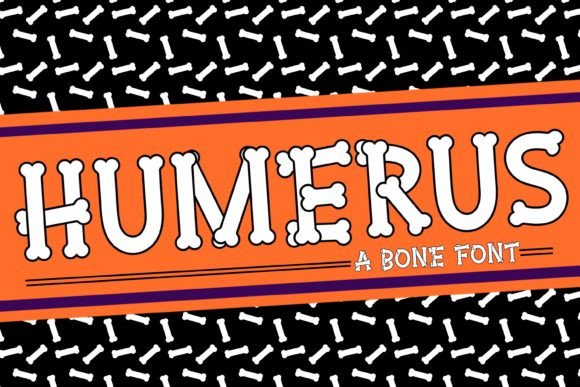
Humerus features irregular, bone-like characters that evoke a whimsical and light-hearted feel. Its uneven strokes and playful anatomy make it an ideal choice for projects requiring a touch of humor or a casual, organic aesthetic. But beyond its visual charm, the strategic value of Humerus lies in its ability to signal approachability. For entrepreneurs, educators, and marketers, understanding when and how to deploy such a distinctive font is crucial for achieving specific engagement goals without compromising credibility.
The Psychology of Imperfection in Branding
Modern consumers are increasingly skeptical of polished, corporate perfection. They seek authenticity and connection. The irregular nature of Humerus mimics the natural variability of human handwriting, which triggers a subconscious response of trust and familiarity. When used intentionally, this font bridges the gap between institutional messaging and personal interaction.
Consider the difference in tone between a standard medical brochure and one utilizing Humerus for its headers. The latter does not diminish the seriousness of the health information but makes the delivery less intimidating. This is particularly relevant for industries that traditionally suffer from high anxiety among their clientele, such as healthcare, finance, or education. By softening the visual entry point, you allow the audience to engage with the content more openly.
However, this psychological lever must be pulled with precision. The goal is not to appear unprofessional, but to appear accessible. Humerus achieves this by balancing its whimsical structure with legible forms. It avoids the chaos of pure scribble while retaining the charm of hand-crafted art. This balance is what makes it a viable option for serious businesses looking to differentiate themselves through empathy rather than just efficiency.
Strategic Applications Across Industries
To maximize the return on your design investments, you must align the typography with the user journey. Humerus is not a universal solution, but it is a powerful tool for specific phases of customer interaction. Here are several contexts where its unique characteristics drive better outcomes:
- Educational Materials: For educators and publishers targeting younger demographics or adult learners, Humerus reduces cognitive load associated with dense text. Its playful style keeps readers engaged, making complex topics feel more manageable. It works exceptionally well for worksheet headers, course titles, and interactive learning modules.
- Healthcare and Wellness: As noted, the "bone-like" quality of the characters offers a subtle thematic nod to anatomy, making it a clever choice for orthopedic clinics, physical therapy centers, or nutrition blogs. It adds a layer of wit that can alleviate patient anxiety.
- Creative Agencies and Freelancers: Designers and writers can use Humerus in their portfolios to showcase personality. It signals that the creator values creativity and does not take themselves too seriously, which can be a strong selling point for clients seeking innovative partners.
- Event Marketing: Posters for community events, festivals, or workshops benefit from the high energy of Humerus. It stands out in a sea of uniform digital ads, drawing the eye through its irregular shapes and dynamic rhythm.
In each of these cases, the font serves a functional purpose: it filters the audience. Those who respond positively to the playful aesthetic are likely to be a better cultural fit for the brand or service. This pre-qualification saves time and resources in the long run.
Balancing Whimsy with Readability
The primary risk associated with display fonts like Humerus is legibility fatigue. While its hand-drawn style is engaging, it lacks the uniformity that aids rapid scanning. Therefore, strategic deployment requires strict adherence to hierarchy principles. Humerus should rarely, if ever, be used for body text. Its strength lies in headlines, subheaders, call-to-action buttons, and short captions.
When planning your layout, pair Humerus with a neutral, highly legible sans-serif font for the main content. This contrast creates a visual anchor. The eye is drawn to the playful header, absorbs the tone, and then settles into the clean body text for information processing. This combination ensures that the whimsical element enhances rather than hinders the user experience.
Additionally, consider scale and spacing. Because Humerus has irregular strokes, it requires more breathing room than standard fonts. Crowding the letters can cause the characters to merge visually, losing their distinct charm and becoming difficult to decipher. Generous kerning and line height are essential to maintain the organic feel without sacrificing clarity.
Decision-Making Framework for Font Selection
Before integrating Humerus into your next project, evaluate your strategic objectives using the following criteria:
- Audience Expectation: Does your target demographic value tradition or innovation? Are they looking for authority or companionship? Humerus leans heavily toward companionship and approachability.
- Brand Voice Consistency: If your brand voice is formal, authoritative, or luxury-oriented, Humerus may create dissonance. However, if your voice is friendly, helpful, or witty, it reinforces your message.
- Medium Constraints: Digital screens render hand-drawn fonts differently than print. Test Humerus at various sizes to ensure the irregularities do not become pixelated or blurry on smaller devices. It performs best in larger formats where the details of the strokes can be appreciated.
- Competitive Landscape: Analyze your competitors. If everyone in your niche uses stark, minimalist typography, Humerus offers a distinctive counter-position. If the market is already saturated with playful fonts, you may need to adjust the color palette or supporting graphics to maintain uniqueness.
This framework prevents random adoption. It ensures that every design choice contributes to a cohesive strategy aimed at long-term brand recognition and customer loyalty.
Long-Term Value and Brand Equity
Consistency is key to building brand equity. Once you decide that Humerus aligns with your strategic goals, use it consistently across touchpoints. Whether it is on social media graphics, email newsletters, or packaging, the repeated exposure to this specific typographic style builds a visual association. Over time, the font itself becomes a brand asset. Customers begin to recognize the "feel" of your communication before they even read the words.
Moreover, using a distinctive font like Humerus can enhance memorability. In a world of information overload, content that evokes an emotional response is more likely to be remembered. The slight surprise of seeing a bone-like, playful letterform can create a micro-moment of delight. These small positive interactions accumulate, fostering a deeper connection between the consumer and the brand.
It is also worth noting that trends in typography cycle rapidly. While minimalism has dominated the last decade, there is a growing resurgence of maximalism and human-centric design. Humerus positions your brand ahead of this curve, embracing imperfection as a virtue. This forward-thinking approach can make your brand appear more current and culturally aware.
Implementing Humerus with Precision
To get the most out of Humerus, treat it as a spice rather than the main ingredient. Start by identifying the single most important message in your design. Apply Humerus to that element. Then, step back and assess the balance. Does it distract or enhance? If it distracts, reduce its size or change its color to a more subdued tone. If it enhances, ensure the surrounding elements support it without competing for attention.
For digital products, consider using Humerus for error messages or success notifications. A playful "Oops!" or "Great Job!" written in this font can turn a potentially frustrating or mundane moment into a pleasant interaction. This application improves the overall user experience by adding personality to functional interfaces.
Ultimately, the power of Humerus lies in its ability to humanize the digital and printed word. It reminds the audience that there are people behind the brand, people who understand the value of a smile. By using it strategically, you are not just choosing a font; you are choosing a way of connecting with your audience that prioritizes warmth, clarity, and genuine engagement. This thoughtful approach to design yields better results, stronger relationships, and a more resilient brand identity in an increasingly automated world.