Hellstone: Strategic Typography for High-Impact Horror Branding
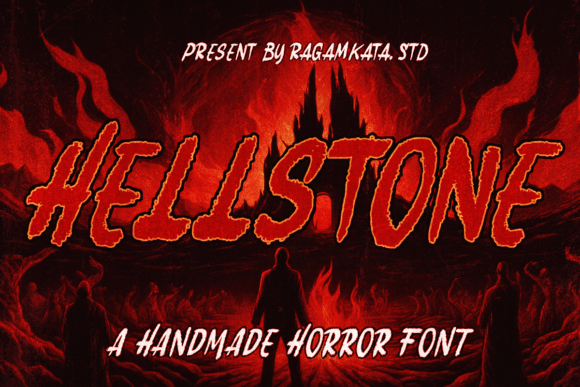
In the realm of visual communication, typography is rarely just about legibility; it is a primary vehicle for emotional transmission. When a brand or creative project aims to evoke fear, dread, or unease, standard sans-serif or serif typefaces often fail to bridge the gap between message and mood. This is where Hellstone enters the strategic toolkit. As a handmade horror font that embodies the essence of fear, Hellstone is not merely a decorative element but a functional asset for designers and marketers who need to communicate intensity instantly.
Derived from the terrifying strokes of classic horror and thriller movie posters, this typeface offers a powerful, solid brush style. However, its value extends beyond aesthetic novelty. For entrepreneurs, content creators, and marketing professionals, understanding how to deploy such a specialized tool requires a clear grasp of audience psychology and brand positioning. Using Hellstone effectively means aligning its rough, handwritten character with specific campaign goals, ensuring that the visual tone supports rather than distracts from the core message.
The Psychology of Rough Typography in Marketing
Human beings are wired to respond to imperfection. In a digital landscape saturated with polished, vector-perfect graphics, organic textures stand out because they signal authenticity and human touch. Hellstone leverages this psychological trigger. Its rough, handwritten appearance suggests urgency, danger, and raw emotion. When a viewer encounters these jagged edges and uneven strokes, their brain processes the visual data as "unstable" or "threatening," which aligns perfectly with the objectives of horror-themed projects.
For marketers and small business owners operating in niche markets—such as escape rooms, haunted attractions, or indie game development—this immediate visceral reaction is invaluable. It reduces the cognitive load required to understand the brand’s tone. Instead of explaining that an event is scary through copy alone, the typography does the heavy lifting. This efficiency allows for clearer communication and stronger brand recall. The key is intentionality; the font must serve the narrative, not just decorate it.
Strategic Applications Beyond Halloween
While Hellstone is explicitly designed for Halloween projects, limiting its use to October represents a missed opportunity for year-round thematic branding. Strategic planners should consider broader applications where tension, mystery, or high stakes are central to the user experience.
- Thriller and Mystery Publishing: Book covers for crime novels or psychological thrillers benefit from the unsettling atmosphere Hellstone provides. It signals genre expectations before the reader even reads the synopsis.
- Gaming Industry Assets: Indie developers creating survival horror or dark fantasy games can use Hellstone for logo design, UI elements, or promotional trailers to establish a cohesive dark aesthetic.
- Event Marketing: Beyond Halloween, this font is effective for murder mystery dinners, horror-themed immersive theater experiences, or true crime podcast branding.
- Fashion and Streetwear: Edgy clothing brands often utilize distressed typography to convey rebellion or counter-culture values. Hellstone’s solid brush style can anchor graphic tees or limited-edition drops.
By viewing Hellstone as a versatile tool for conveying tension, creators can integrate it into long-term branding strategies rather than treating it as a seasonal afterthought.
Design Considerations for Maximum Impact
To achieve better results with Hellstone, one must respect its inherent characteristics. This is a display font, meaning it is designed for headlines, logos, and short bursts of text, not body copy. Attempting to use it for paragraphs will degrade readability and frustrate the user, negatively impacting customer experience and engagement metrics.
Balancing Chaos with Clarity
The unique lowercase and uppercase characters in Hellstone allow for creative combinations, but they require careful spacing and hierarchy. A common mistake among novice designers is overcrowding the layout. Because the font has a heavy, solid presence, it needs white space to breathe. Strategic use of negative space ensures that the "creepy" factor remains potent without becoming visual noise.
Furthermore, consider pairing Hellstone with a clean, neutral sans-serif font for supporting text. This contrast creates a visual anchor, guiding the eye from the emotional headline to the informational details. For example, a movie poster might feature the title in Hellstone to grab attention, while the release date and credits are set in a simple, legible typeface. This approach balances artistic expression with operational clarity.
Color and Texture Integration
Hellstone’s effectiveness is amplified when combined with appropriate color palettes and textures. While black on white is stark and classic, experimenting with deep reds, muted grays, or sickly greens can enhance the horror theme. Adding subtle grain or paper textures behind the text can reinforce the handmade, analog feel of the font. These decisions should be guided by the specific emotion you wish to evoke—whether it is the gore of a slasher film or the psychological dread of a supernatural thriller.
Risks of Misapplication and Brand Dilution
Every design choice carries risk, and using a highly stylized font like Hellstone without clear goals can lead to brand dilution. If a company’s core values are trust, stability, and professionalism, introducing a horror-themed typeface can create cognitive dissonance. Audiences may perceive the brand as inconsistent or unprofessional if the typography does not align with the overall service offering.
Additionally, overuse leads to desensitization. If every header on a website or every social media post uses Hellstone, the impact diminishes. The shock value wears off, and the font becomes background noise. Strategic restraint is essential. Use Hellstone sparingly for high-impact moments—such as launch announcements, key campaign visuals, or product packaging—where the emotional payoff justifies the stylistic intensity.
Another consideration is accessibility. While the font is visually striking, it may pose challenges for users with visual impairments or dyslexia. Ensuring that alternative text descriptions are accurate and that critical information is available in a more readable format is a necessary step for inclusive design. This reflects a commitment to ethical marketing and broadens the potential reach of your content.
Planning Your Creative Workflow
Integrating Hellstone into your design workflow requires planning. Start by defining the emotional objective of the project. Are you aiming for an instant nightmare or a subtle scare? This decision will dictate how heavily you rely on the font’s more aggressive characteristics. For subtle scares, consider using Hellstone at smaller sizes or with reduced opacity. For intense horror, let it dominate the visual hierarchy.
- Audit Your Audience: Understand what triggers fear or excitement in your specific demographic. What works for teenagers may not resonate with adults aged 40–50 who prefer psychological tension over jump scares.
- Prototype Variations: Create multiple mockups using different weights and spacing. Test these with a small focus group to gauge emotional response before finalizing the design.
- Contextual Testing: View the designs in various environments—mobile screens, print posters, social media feeds. Hellstone’s rough edges may render differently across mediums, affecting legibility and impact.
- Iterate Based on Feedback: Use data from initial launches to refine future applications. If engagement is low, consider whether the typography is overpowering the message or failing to connect with the audience.
Long-Term Value in Niche Branding
For businesses operating in the entertainment, hospitality, or creative sectors, developing a distinct visual identity is crucial for long-term success. Hellstone offers a way to carve out a unique position in a crowded market. By consistently applying this font in aligned contexts, brands can build strong associative memory. Customers begin to recognize the style as a signature of quality horror or thriller content.
This consistency builds trust within the niche. When fans of the genre see Hellstone, they anticipate a certain level of atmospheric depth and creative effort. This expectation management is a powerful tool for customer retention and loyalty. It transforms a simple font choice into a strategic brand asset that contributes to overall business growth.
Ultimately, Hellstone is more than a collection of letters; it is a conduit for emotion. Its power lies in its ability to bypass rational analysis and speak directly to the viewer’s primal instincts. By approaching its use with strategic intent, careful planning, and respect for design principles, creators can harness this power to deliver memorable, impactful experiences. Whether you are designing a movie poster, a book cover, or a branded event, let the font serve the story, and the results will follow.